Protecting communities to eliminate lymphatic filariasis in Kenya

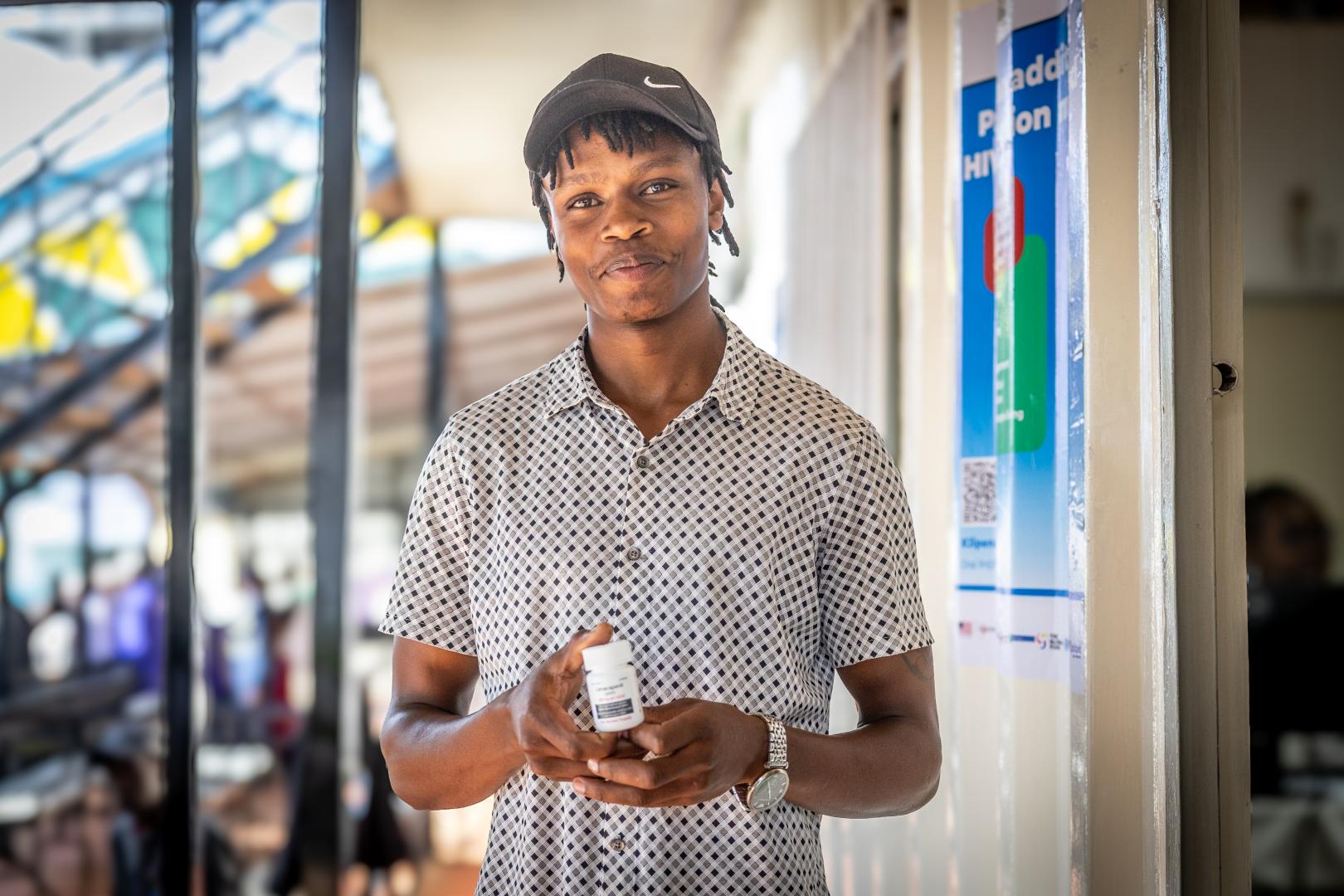
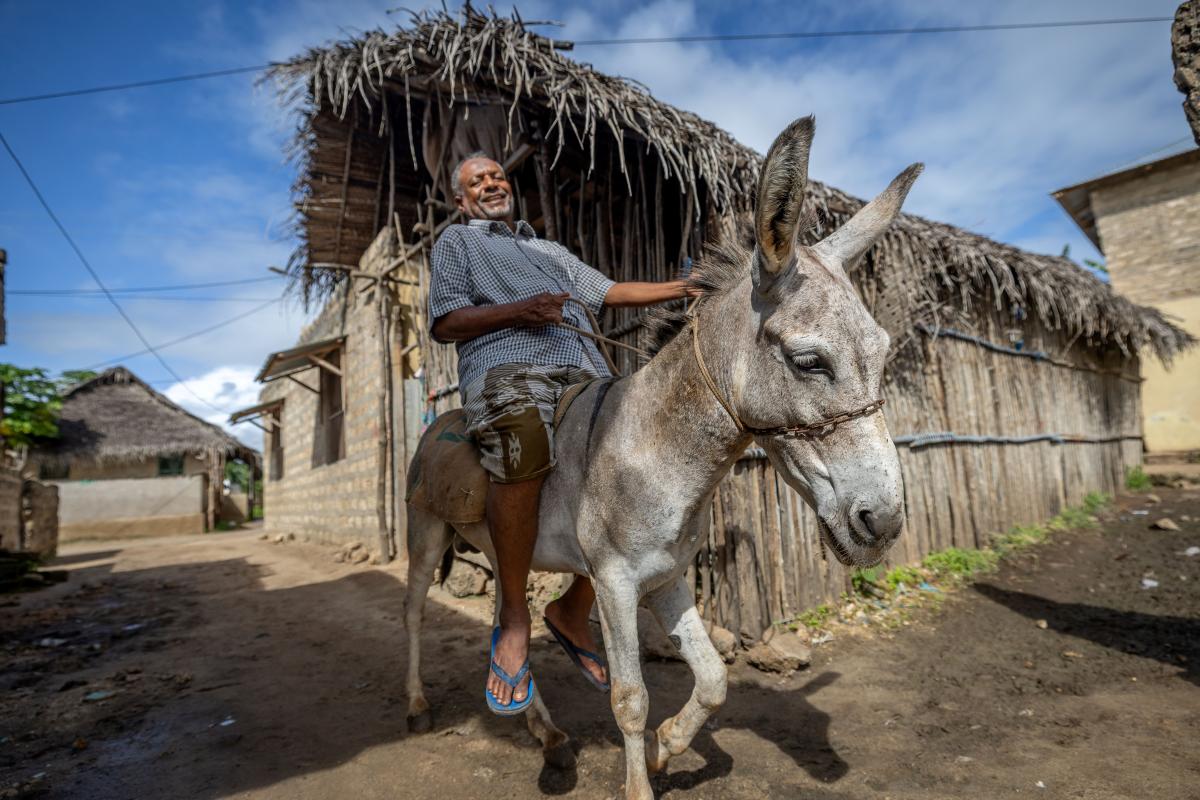
NairobiIn Kenya, regular mass drug administration is protecting a new generation from the effects of lymphatic filariasis, commonly known as elephantiasis ‒ a neglected tropical disease that affects the lymphatic system and can lead to the abnormal enlargement of body parts, causing pain, severe disability and social stigma.

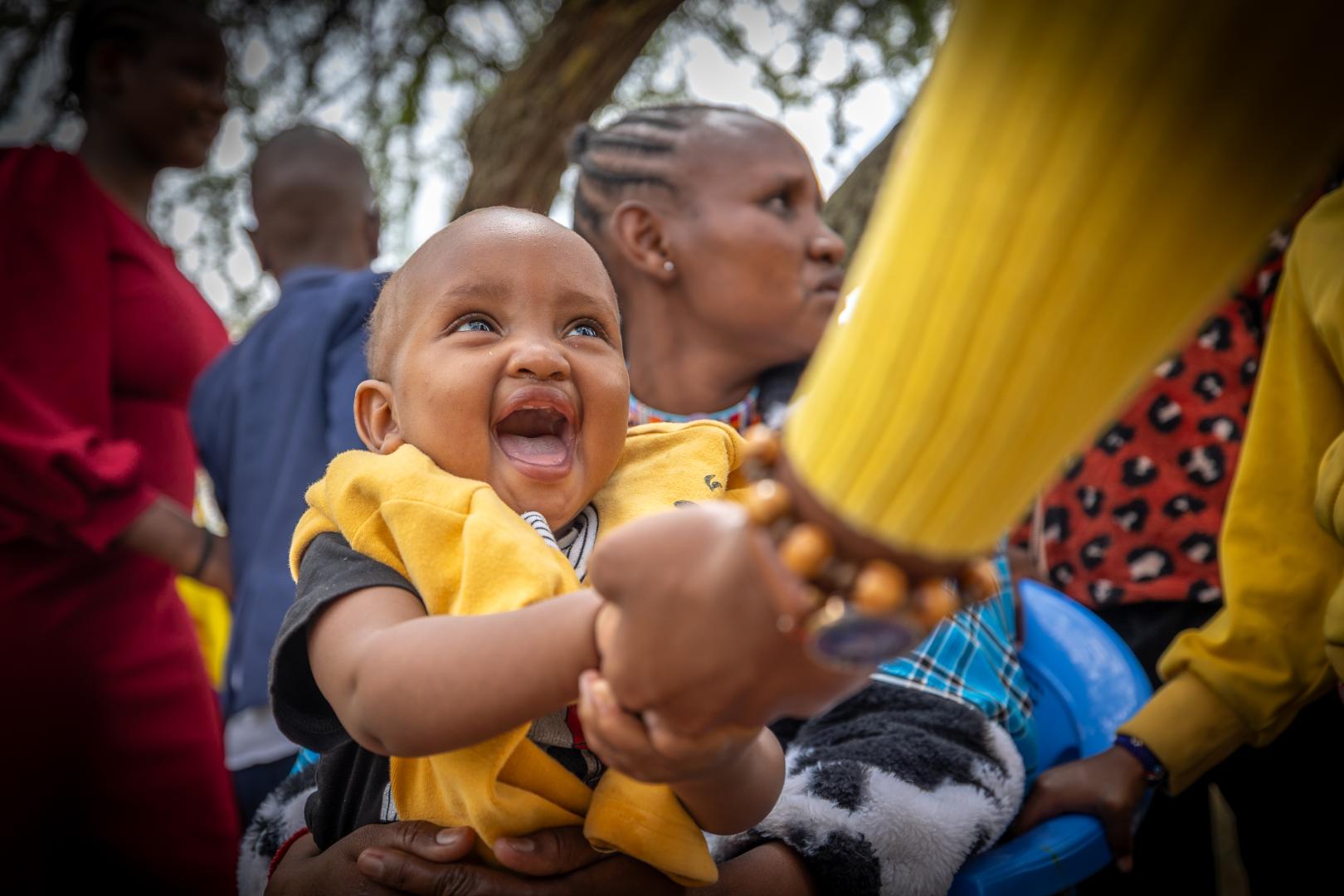
Kenya’s third oral cholera vaccine campaign protects thousands in Narok County

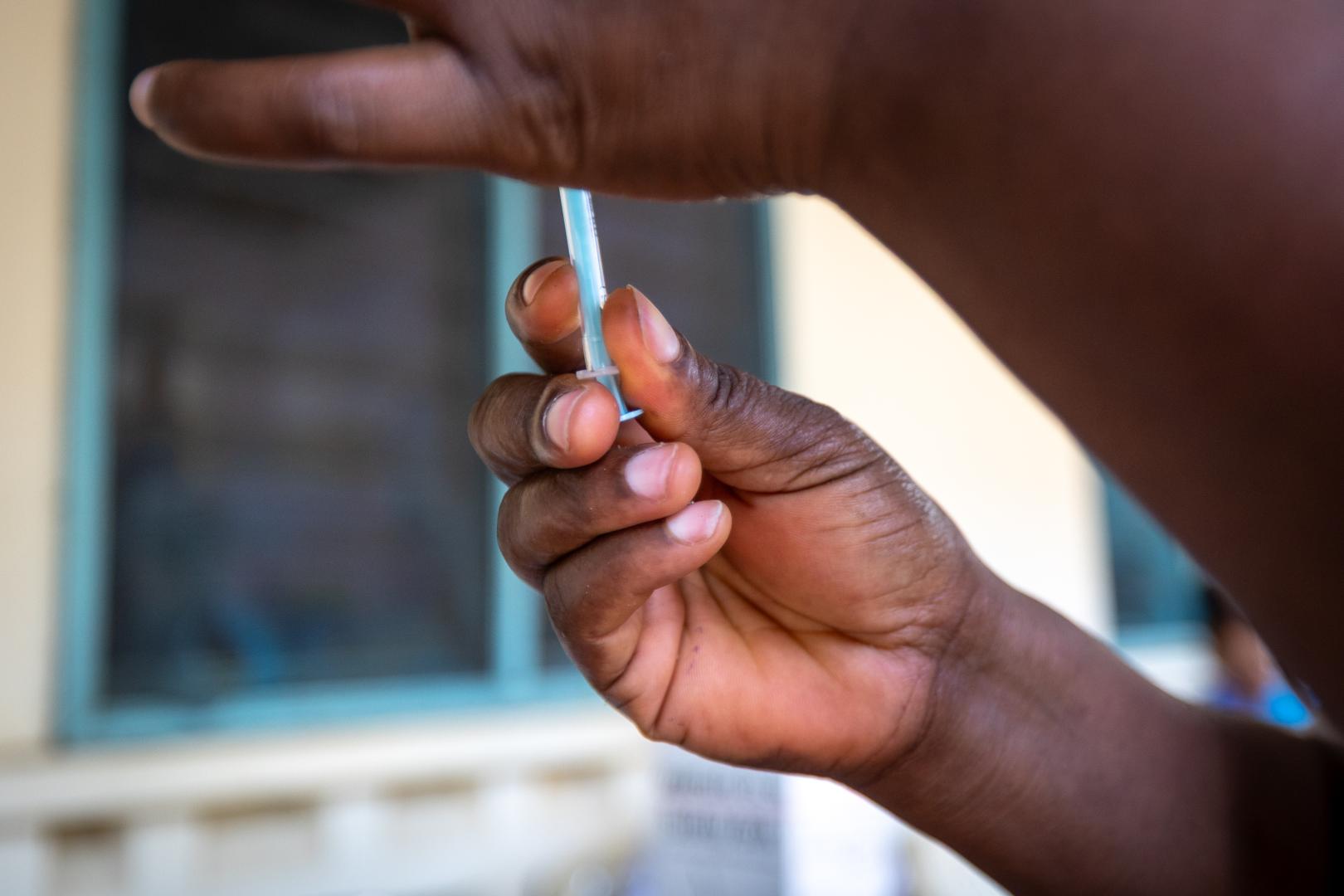
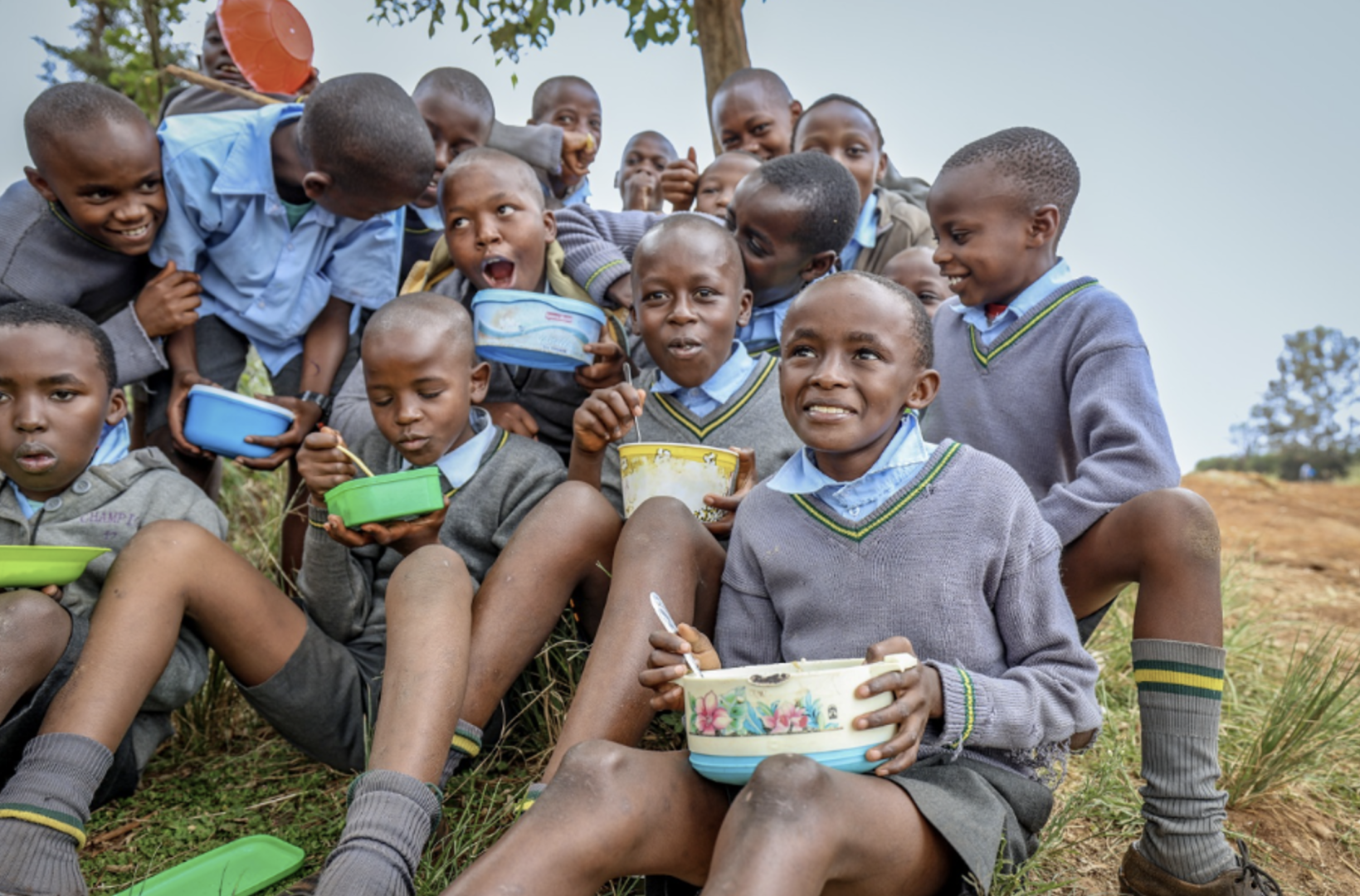
Nairobi—Cholera remains a significant public health concern in Kenya. Since 1 October 2025, over 231 cases and 13 deaths were reported across three counties, including Narok, one of the hardest hit. To curb transmission, the Ministry of Health, with support from the World Health Organization (WHO), the Kenya National Public Health Institute, the Kenya Red Cross Society and Médecins Sans Frontières, conducted a reactive oral cholera vaccine campaign in Transmara West and Transmara South, targeting residents aged one year and above.

Kenya strengthens regional disease surveillance through laboratory upgrade

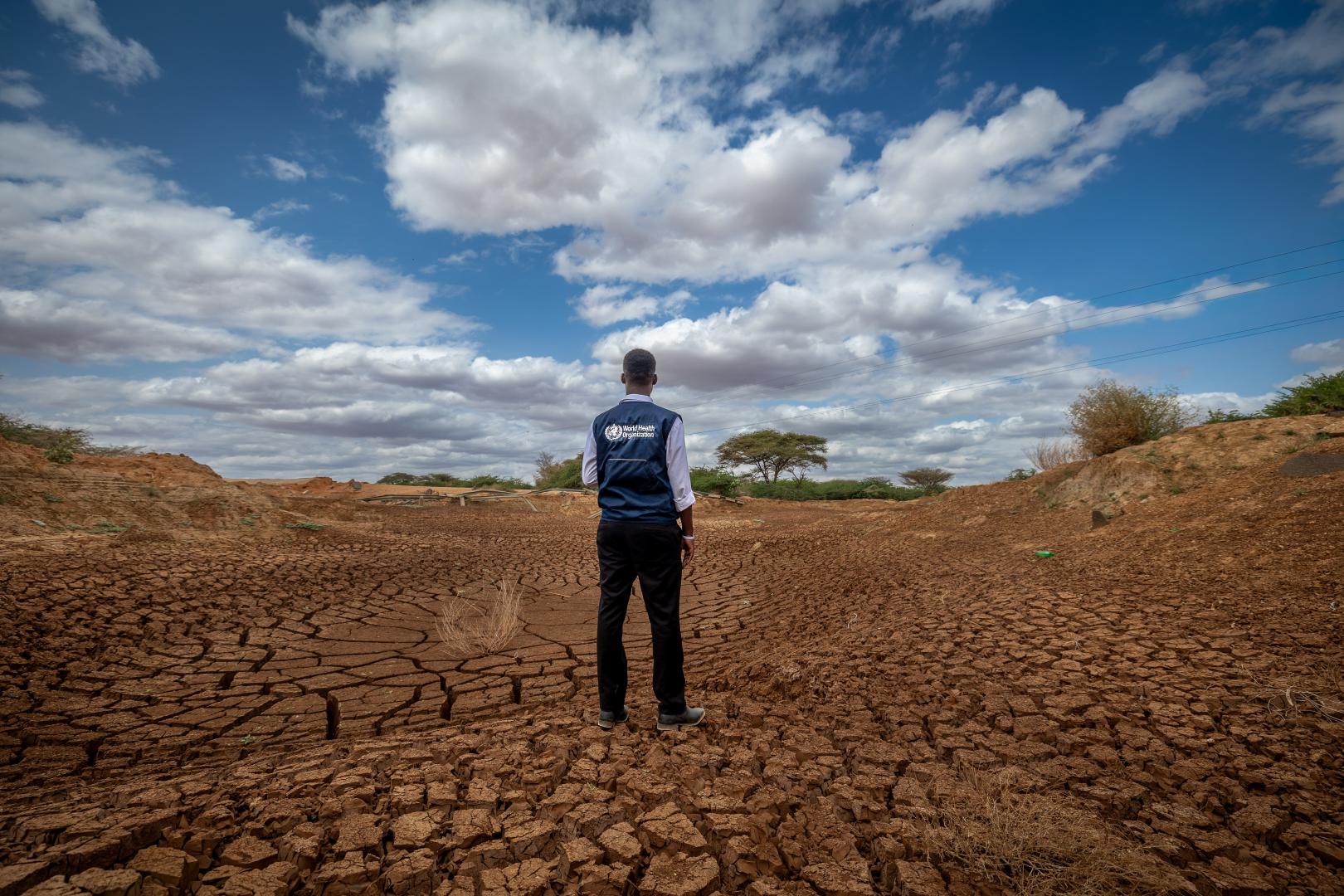
Across Kenya and the wider region, monthly collections of wastewater and stool samples make their way to the Kenya Medical Research Institute (KEMRI), where laboratory analysis searches for early evidence of poliovirus. Early detection of poliovirus, a highly contagious disease that can cause permanent paralysis in children, enables Kenya and neighbouring countries to confirm cases quickly and launch targeted interventions before the virus spreads through vulnerable communities.